
二叉树最大宽度 🌟🌟🌟中等

课后作业
问题描述
原文链接:662. 二叉树最大宽度
给你一棵二叉树的根节点 root ,返回树的最大宽度。
树的最大宽度是所有层中最大的宽度。
每一层的宽度被定义为该层最左和最右的非空节点(即,两个端点)之间的长度。将这个二叉树视作与满二叉树结构相同,两端点间会出现一些延伸到这一层的 null 节点,这些 null 节点也计入长度。
题目数据保证答案将会在32位 带符号整数范围内。
示例 1:
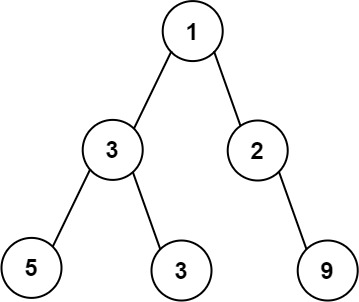
输入:root = [1,3,2,5,3,null,9]
输出:4
解释:最大宽度出现在树的第 3 层,宽度为 4 (5,3,null,9) 。
示例 2:
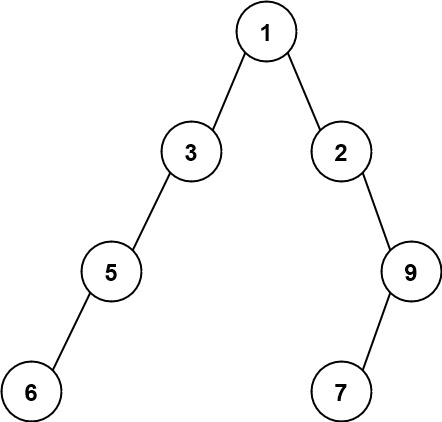
输入:root = [1,3,2,5,null,null,9,6,null,7]
输出:7
解释:最大宽度出现在树的第 4 层,宽度为 7 (6,null,null,null,null,null,7) 。
示例 3:
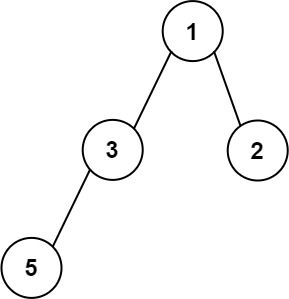
输入:root = [1,3,2,5]
输出:2
解释:最大宽度出现在树的第 2 层,宽度为 2 (3,2) 。
提示:
- 树中节点的数目范围是
[1, 3000] -100 <= Node.val <= 100
代码实现
Java
/**
 * Definition for a binary tree node.
 * public class TreeNode {
 *     int val;
 *     TreeNode left;
 *     TreeNode right;
 *     TreeNode() {}
 *     TreeNode(int val) { this.val = val; }
 *     TreeNode(int val, TreeNode left, TreeNode right) {
 *         this.val = val;
 *         this.left = left;
 *         this.right = right;
 *     }
 * }
 */
class Solution {
    public int widthOfBinaryTree(TreeNode root) {
        if(root == null){
            return 0;
        }

        Queue<Pair<TreeNode, Integer>> queue = new LinkedList<>();
        int max = 0;

        queue.add(new Pair<TreeNode, Integer>(root, 1));
        while(!queue.isEmpty()){
            int size = queue.size();
            List<Pair<TreeNode, Integer>> res = new ArrayList<>();
            for(int i = 0; i < size; i++){
                Pair<TreeNode, Integer> temp = queue.poll();
                // key-value
                TreeNode key = temp.getKey();
                int value = temp.getValue();
                res.add(temp);
                if(key.left != null){
                    queue.add(new Pair<TreeNode, Integer>(key.left, value * 2));
                }
                if(key.right != null){
                    queue.add(new Pair<TreeNode, Integer>(key.right, value * 2 + 1));
                }
            }
            int t = res.get(res.size() - 1).getValue() - res.get(0).getValue() + 1;
            max = Math.max(max, t);
        }

        return max;
    }
}
Python
# Definition for a binary tree node.
# class TreeNode(object):
#     def __init__(self, val=0, left=None, right=None):
#         self.val = val
#         self.left = left
#         self.right = right
class Solution(object):
    def widthOfBinaryTree(self, root):
        """
        :type root: TreeNode
        :rtype: int
        """
        if not root:
            return 0

        queue = [(root, 1)]
        maximum = 0

        while queue:
            size = len(queue)
            res = []
            for i in range(size):
                temp = queue.pop(0)
                res.append(temp)
                if temp[0].left:
                    queue.append((temp[0].left, temp[1] * 2))
                if temp[0].right:
                    queue.append((temp[0].right, temp[1] * 2 + 1))
            t = res[-1][1] - res[0][1] + 1
            maximum = max(maximum, t)

        return maximum
C++
class Solution {
public:
    int widthOfBinaryTree(TreeNode* root) {
        if (root == nullptr) {
            return 0;
        }

        queue<pair<TreeNode*, unsigned long long>> q;
        int max_width = 0;

        q.push(make_pair(root, 1));
        while (!q.empty()) {
            int size = q.size();
            vector<pair<TreeNode*, unsigned long long>> level_nodes;
            for (int i = 0; i < size; i++) {
                auto node = q.front().first;
                auto pos = q.front().second;
                q.pop();
                level_nodes.push_back(make_pair(node, pos));
                if (node->left) {
                    q.push(make_pair(node->left, pos * 2));
                }
                if (node->right) {
                    q.push(make_pair(node->right, pos * 2 + 1));
                }
            }
            unsigned long long level_width = level_nodes.back().second - level_nodes.front().second + 1;
            max_width = max(max_width, (int)level_width);
        }

        return max_width;
    }
};
Go
/**
 * Definition for a binary tree node.
 * type TreeNode struct {
 *     Val int
 *     Left *TreeNode
 *     Right *TreeNode
 * }
 */
func widthOfBinaryTree(root *TreeNode) int {
    if root == nil {
        return 0
    }

    queue := []*Pair{{root, 1}}
    var max int

    for len(queue) > 0 {
        size := len(queue)
        res := []*Pair{}
        for i := 0; i < size; i++ {
            temp := queue[0]
            queue = queue[1:]
            res = append(res, temp)
            if temp.Key.Left != nil {
                queue = append(queue, &Pair{temp.Key.Left, temp.Value * 2})
            }
            if temp.Key.Right != nil {
                queue = append(queue, &Pair{temp.Key.Right, temp.Value * 2 + 1})
            }
        }
        t := res[len(res)-1].Value - res[0].Value + 1
        max = int(math.Max(float64(max), float64(t)))
    }

    return max
}

type Pair struct {
    Key   *TreeNode
    Value int
}