
LeetCode382. 链表随机节点🌟🌟🌟中等

课后作业
问题描述
原文链接:382. 链表随机节点
给你一个单链表,随机选择链表的一个节点,并返回相应的节点值。每个节点被选中的概率一样 。
实现 Solution 类:
Solution(ListNode head)使用整数数组初始化对象。int getRandom()从链表中随机选择一个节点并返回该节点的值。链表中所有节点被选中的概率相等。
示例:
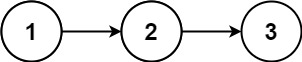
输入
["Solution", "getRandom", "getRandom", "getRandom", "getRandom", "getRandom"]
[[[1, 2, 3]], [], [], [], [], []]
输出
[null, 1, 3, 2, 2, 3]

解释
Solution solution = new Solution([1, 2, 3]);
solution.getRandom(); // 返回 1
solution.getRandom(); // 返回 3
solution.getRandom(); // 返回 2
solution.getRandom(); // 返回 2
solution.getRandom(); // 返回 3
// getRandom() 方法应随机返回 1、2、3中的一个,每个元素被返回的概率相等。
提示:
- 链表中的节点数在范围
[1, 104]内 -104 <= Node.val <= 104- 至多调用
getRandom方法104次
代码实现
Java
/**
 * Definition for singly-linked list.
 * public class ListNode {
 *     int val;
 *     ListNode next;
 *     ListNode() {}
 *     ListNode(int val) { this.val = val; }
 *     ListNode(int val, ListNode next) { this.val = val; this.next = next; }
 * }
 */
class Solution {
    ListNode head = null;
    Random random = null;
    public Solution(ListNode head) {
        this.head = head;
        this.random = new Random();

    }

    public int getRandom2() {

        //方法1 统计长度 O(n)= 2n.  O(1)
        int n = 1;
        ListNode cur = head;
        while(cur.next != null){
            n++;
            cur = cur.next;
        }
        int k = random.nextInt(n) + 1;
        cur = head;
        for(int i = 1; i < k;i++){
            cur = cur.next;
        }
        return cur.val;

    }

    public int getRandom() {
        //方法2
        ListNode cur = head;
        int i = 1;
        int res = cur.val;
        while(cur != null){
            if(random.nextInt(i) == 0){
                res = cur.val;
            }
            cur = cur.next;
            i++;
        }

        return res;

    }
}

/**
 * Your Solution object will be instantiated and called as such:
 * Solution obj = new Solution(head);
 * int param_1 = obj.getRandom();
 */
Python
# Definition for singly-linked list.
# class ListNode(object):
#     def __init__(self, val=0, next=None):
#         self.val = val
#         self.next = next

import random

class Solution(object):

    def __init__(self, head):
        """
        :type head: Optional[ListNode]
        """
        self.head = head
        self.random = random


    def getRandom2(self):
        # 方法1 统计长度 O(n) = 2n. O(1)
        n = 1
        cur = self.head
        while cur.next:
            n += 1
            cur = cur.next
        k = self.random.randint(1, n)
        cur = self.head
        for i in range(1, k):
            cur = cur.next
        return cur.val


    def getRandom(self):
        # 方法2
        cur = self.head
        i = 1
        res = cur.val
        while cur:
            if self.random.randint(1, i) == 1:
                res = cur.val
            cur = cur.next
            i += 1
        return res


# Your Solution object will be instantiated and called as such:
# obj = Solution(head)
# param_1 = obj.getRandom()
C++
/**
 * Definition for singly-linked list.
 * struct ListNode {
 *     int val;
 *     ListNode *next;
 *     ListNode() : val(0), next(nullptr) {}
 *     ListNode(int x) : val(x), next(nullptr) {}
 *     ListNode(int x, ListNode *next) : val(x), next(next) {}
 * };
 */


class Solution {
public:
    Solution(ListNode* head) {
        this->head = head;
        std::srand(std::time(nullptr));  // 初始化随机数种子
    }

    int getRandom2() {
        // 方法1 统计长度 O(n)= 2n.  O(1)
        int n = 1;
        ListNode* cur = head;
        while(cur->next != nullptr){
            n++;
            cur = cur->next;
        }
        int k = std::rand() % n + 1;
        cur = head;
        for(int i = 1; i < k; i++){
            cur = cur->next;
        }
        return cur->val;
    }

    int getRandom() {
        // 方法2
        ListNode* cur = head;
        int i = 1;
        int res = cur->val;
        while(cur != nullptr){
            if(std::rand() % i == 0){
                res = cur->val;
            }
            cur = cur->next;
            i++;
        }
        return res;
    }

private:
    ListNode* head;
};
Go
/**
 * Definition for singly-linked list.
 * type ListNode struct {
 *     Val int
 *     Next *ListNode
 * }
 */


type Solution struct {
    head *ListNode
}

func Constructor(head *ListNode) Solution {
    return Solution{head: head}
}

func (this *Solution) GetRandom2() int {
    // 方法1 统计长度 O(n)= 2n.  O(1)
    n := 1
    cur := this.head
    for cur.Next != nil {
        n++
        cur = cur.Next
    }
    k := rand.Intn(n) + 1
    cur = this.head
    for i := 1; i < k; i++ {
        cur = cur.Next
    }
    return cur.Val
}

func (this *Solution) GetRandom() int {
    // 方法2
    cur := this.head
    i := 1
    res := cur.Val
    for cur != nil {
        if rand.Intn(i) == 0 {
            res = cur.Val
        }
        cur = cur.Next
        i++
    }
    return res
}